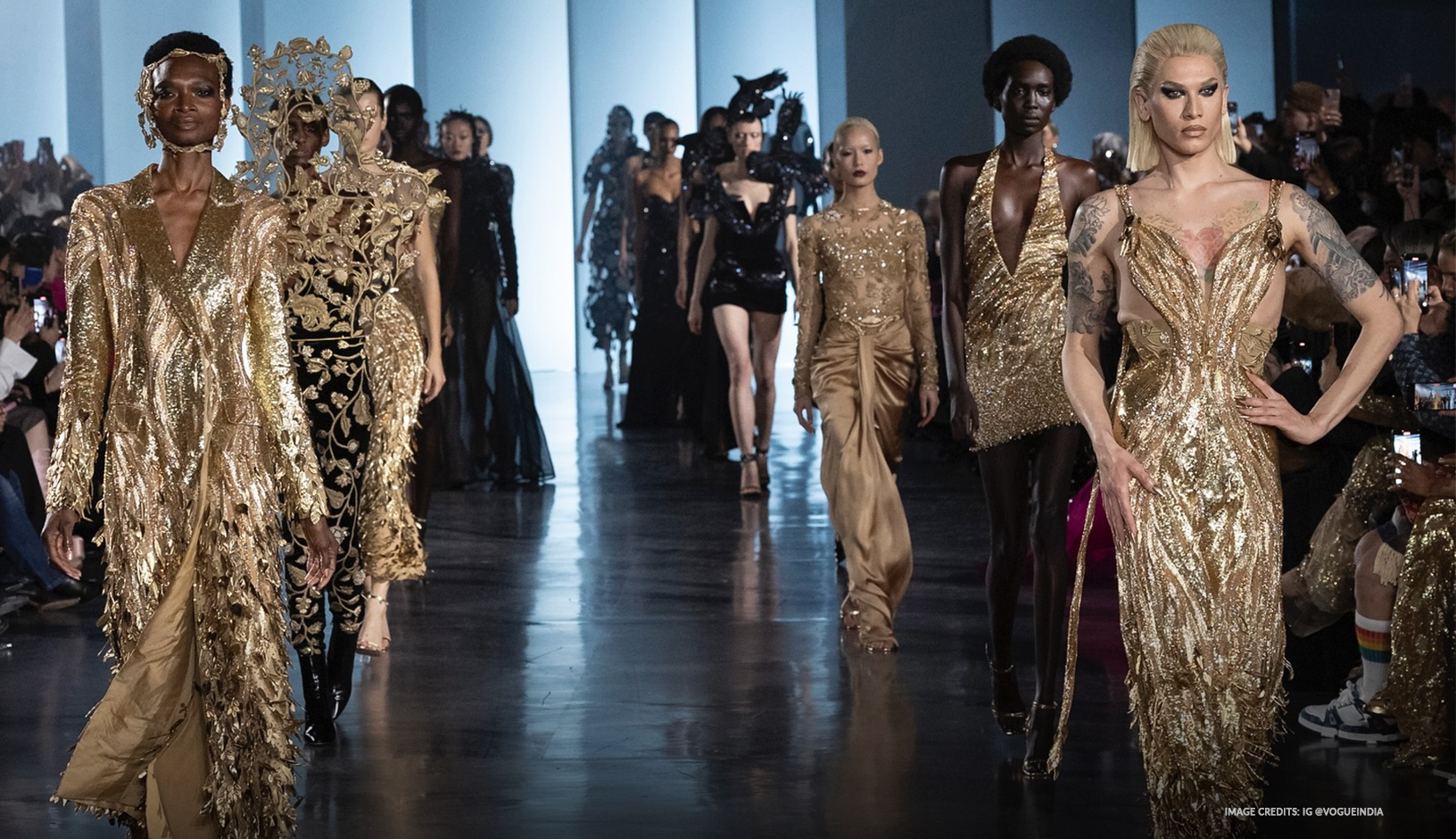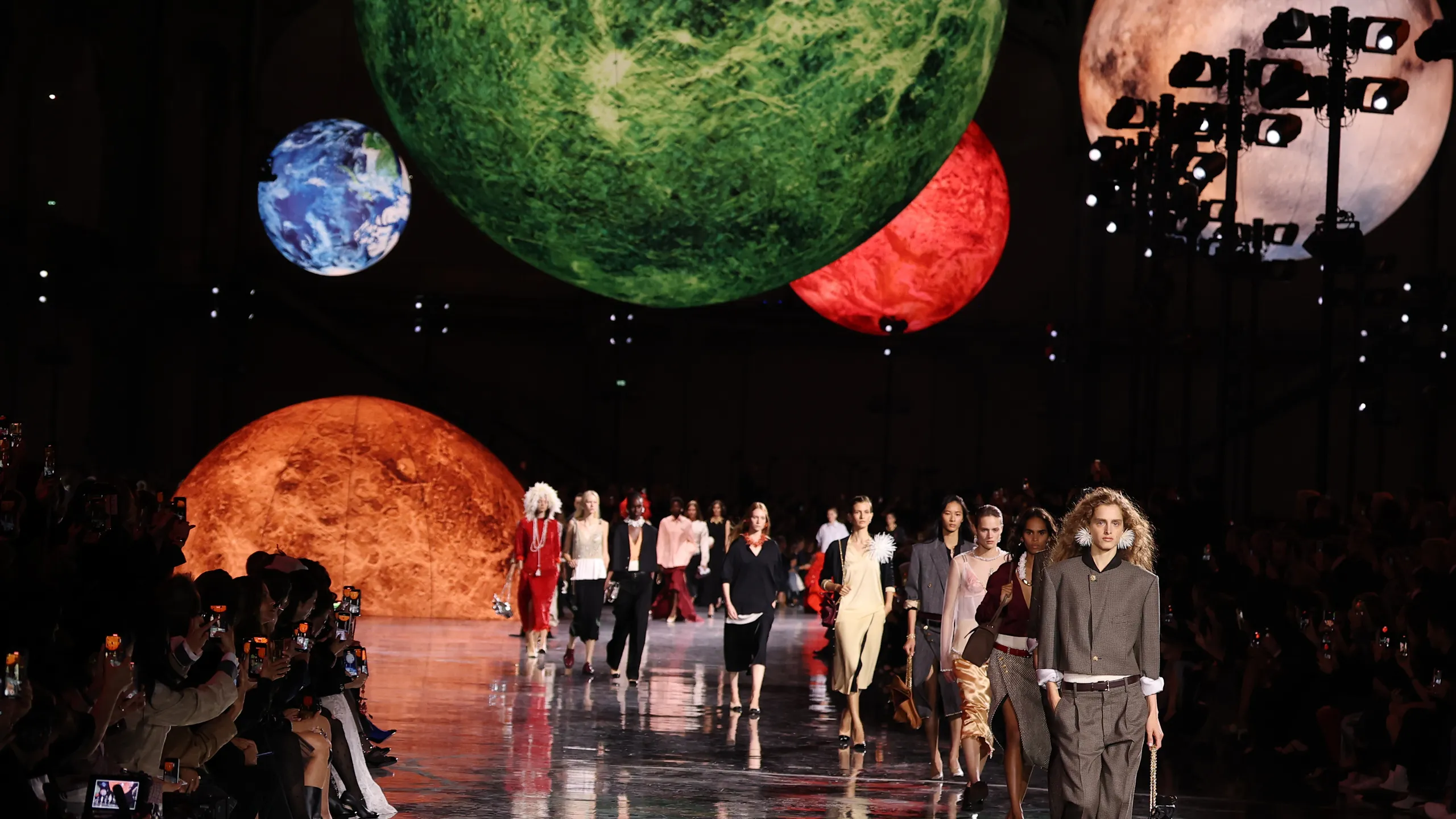
Paris Fashion Week is today one of the biggest fashion events in the world, bringing together famous designers, fashion houses, models, celebrities and media from many countries. But its story goes back much further than the modern runway shows seen in Paris today.
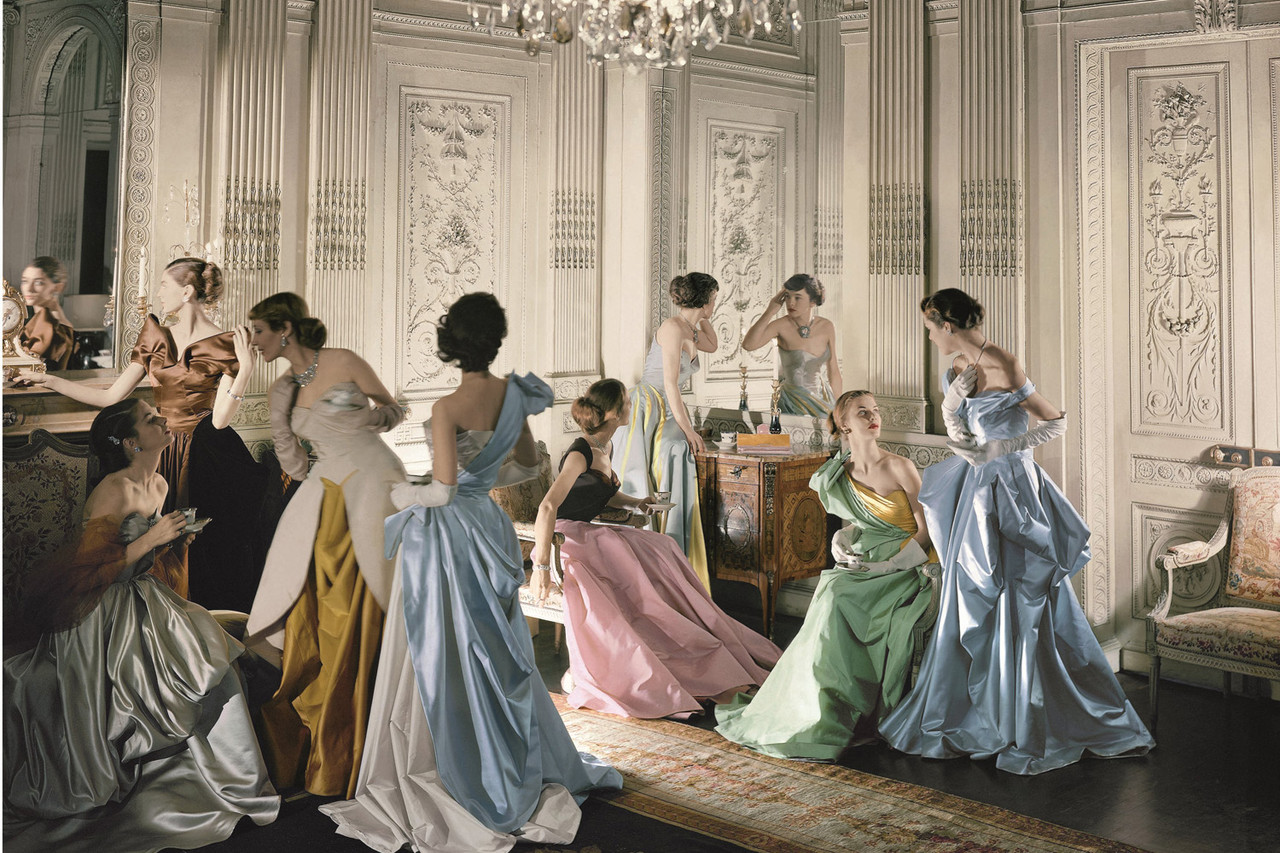
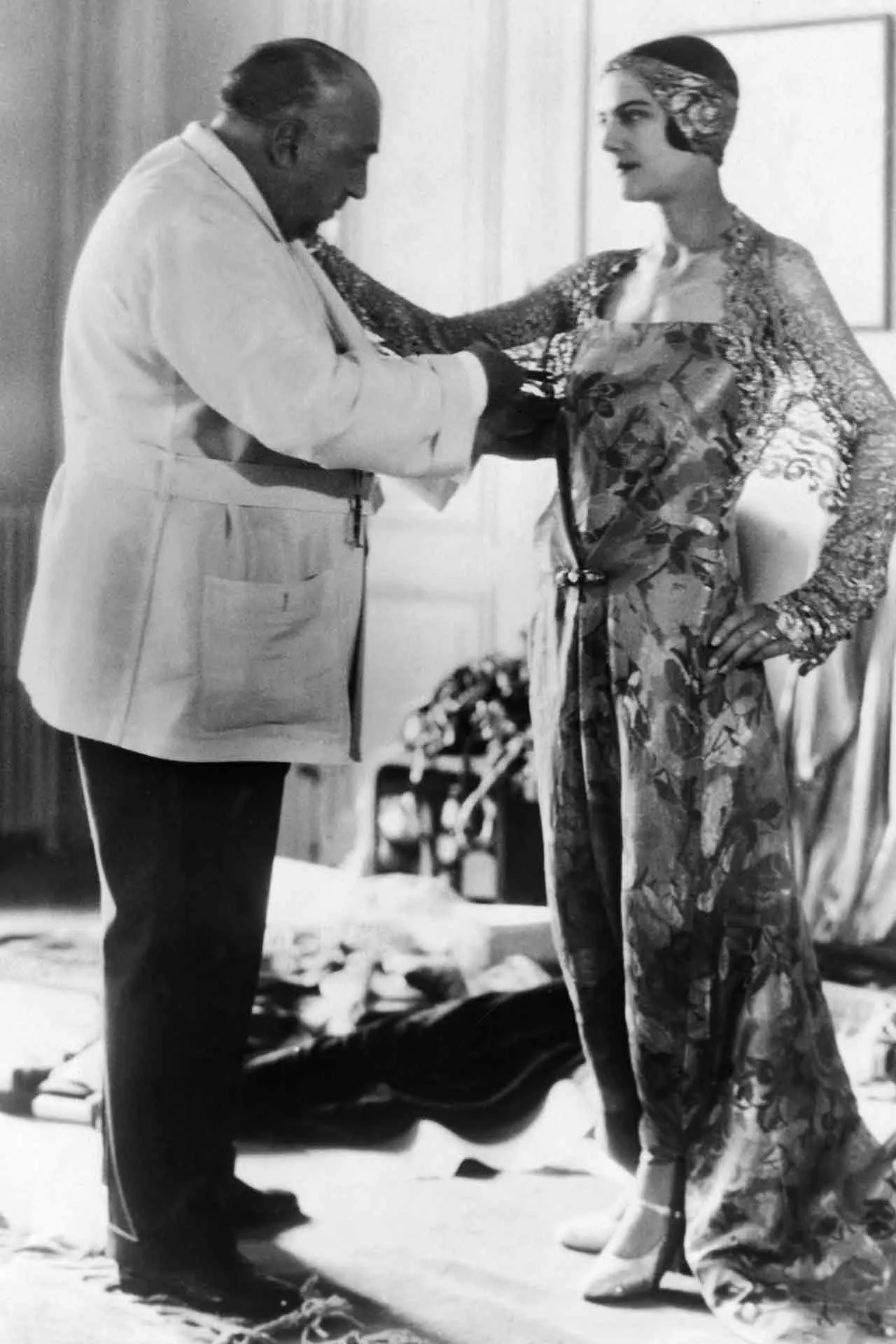
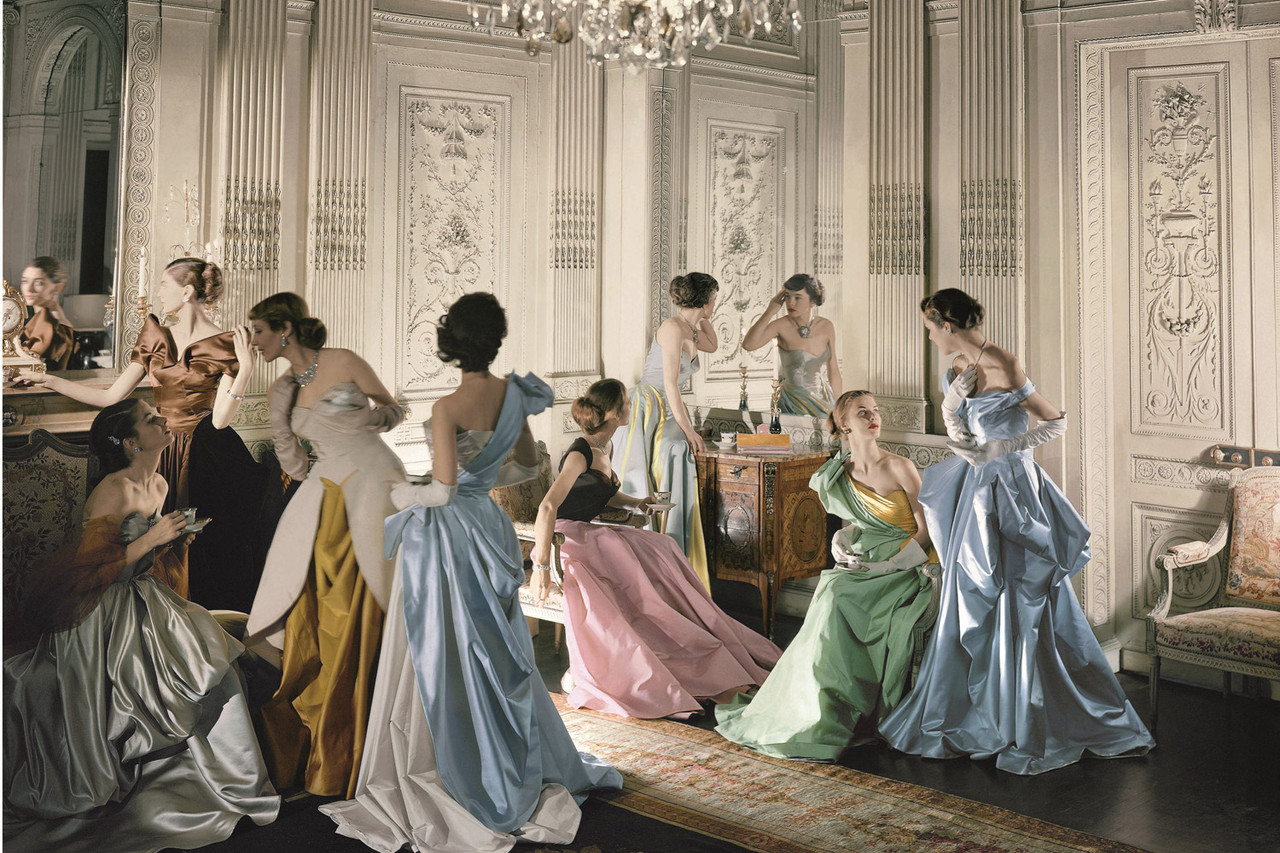
Paris has been connected to high fashion for more than a century. One important part of that history began with British designer Charles Frederick Worth, who opened his couture house in Paris in 1858. He is often linked to the early development of modern haute couture.
The organization behind much of Paris' fashion system also has a long history. The Chambre Syndicale de la Couture was created in 1868. It later became the Chambre Syndicale de la Haute Couture and played an important role in protecting and organizing haute couture in France.
As fashion changed, Paris also changed with it. During the 1960s and 1970s, new designers began moving away from the traditional world of haute couture and helped make ready-to-wear fashion more important.
A major step came in 1973, when organizations for ready-to-wear designers and men's fashion were created. These groups helped lead to the formation of the Fédération Française de la Couture, which later became the Fédération de la Haute Couture et de la Mode, known today as the FHCM.
The official Paris Fashion Week was created in 1974. Today, it takes place four times a year, with two women's fashion editions and two men's fashion editions. The official calendar includes runway shows and fashion presentations from French and international fashion houses.
The 1970s were also an important period for the relationship between Paris and the rest of the fashion world. In November 1973, the famous Battle of Versailles brought five French designers together with five American designers for a major fashion event at the Palace of Versailles.
The French side included designers from Christian Dior, Pierre Cardin, Hubert de Givenchy, Yves Saint Laurent and Emanuel Ungaro. The American group included Bill Blass, Stephen Burrows, Halston, Anne Klein and Oscar de la Renta. The event became an important moment in fashion history and helped show the growing influence of American designers.
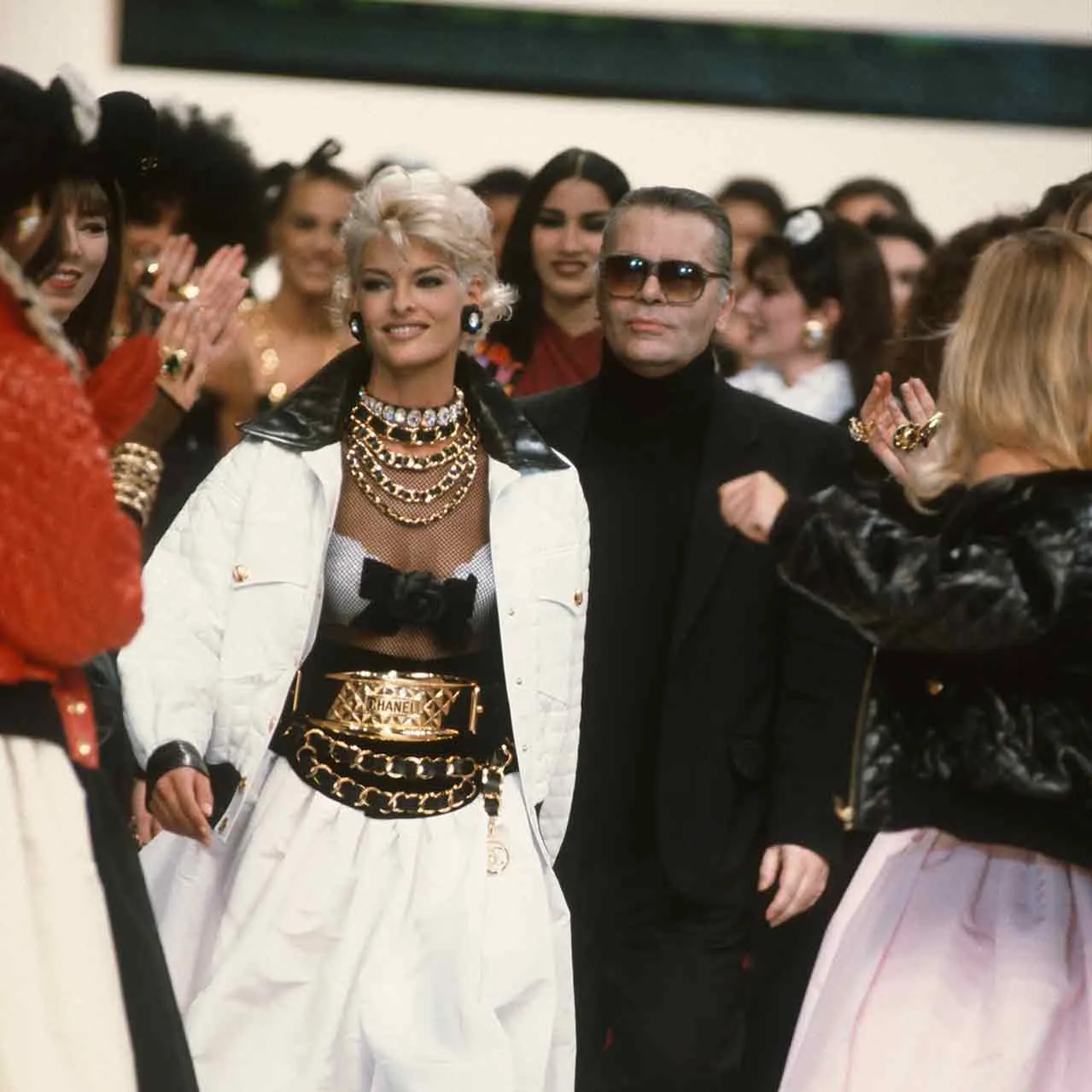
During the following decades, Paris became a meeting place for designers with very different ideas. Designers such as Jean Paul Gaultier, Yohji Yamamoto, Rei Kawakubo and Martin Margiela brought new styles and challenged traditional ideas about what fashion could look like.
The Fédération de la Haute Couture et de la Mode notes that the fashion shows became larger and attracted more people from around the world. Paris was no longer only a place for traditional couture. It became a stage where new designers could also make their names.
Paris Fashion Week has also changed with technology. Fashion shows are no longer seen only by people sitting inside a venue. Photos, videos and livestreams can now reach millions of people around the world within minutes.
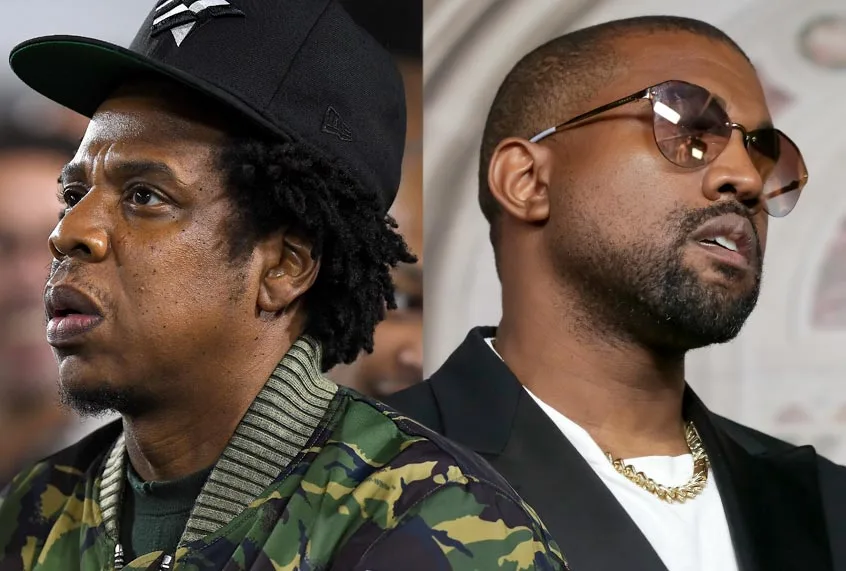
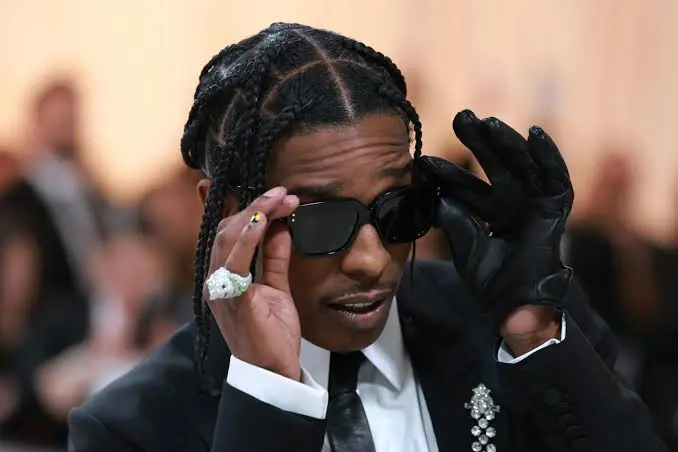
The event has also become a major meeting point for music, entertainment and fashion. Celebrities regularly attend shows, while musicians, actors and other public figures often work with fashion houses or appear in campaigns.
For African fashion and entertainment, Paris has also become an important international stage. African designers and creatives continue to bring their own ideas, fabrics, culture and stories to global fashion audiences.
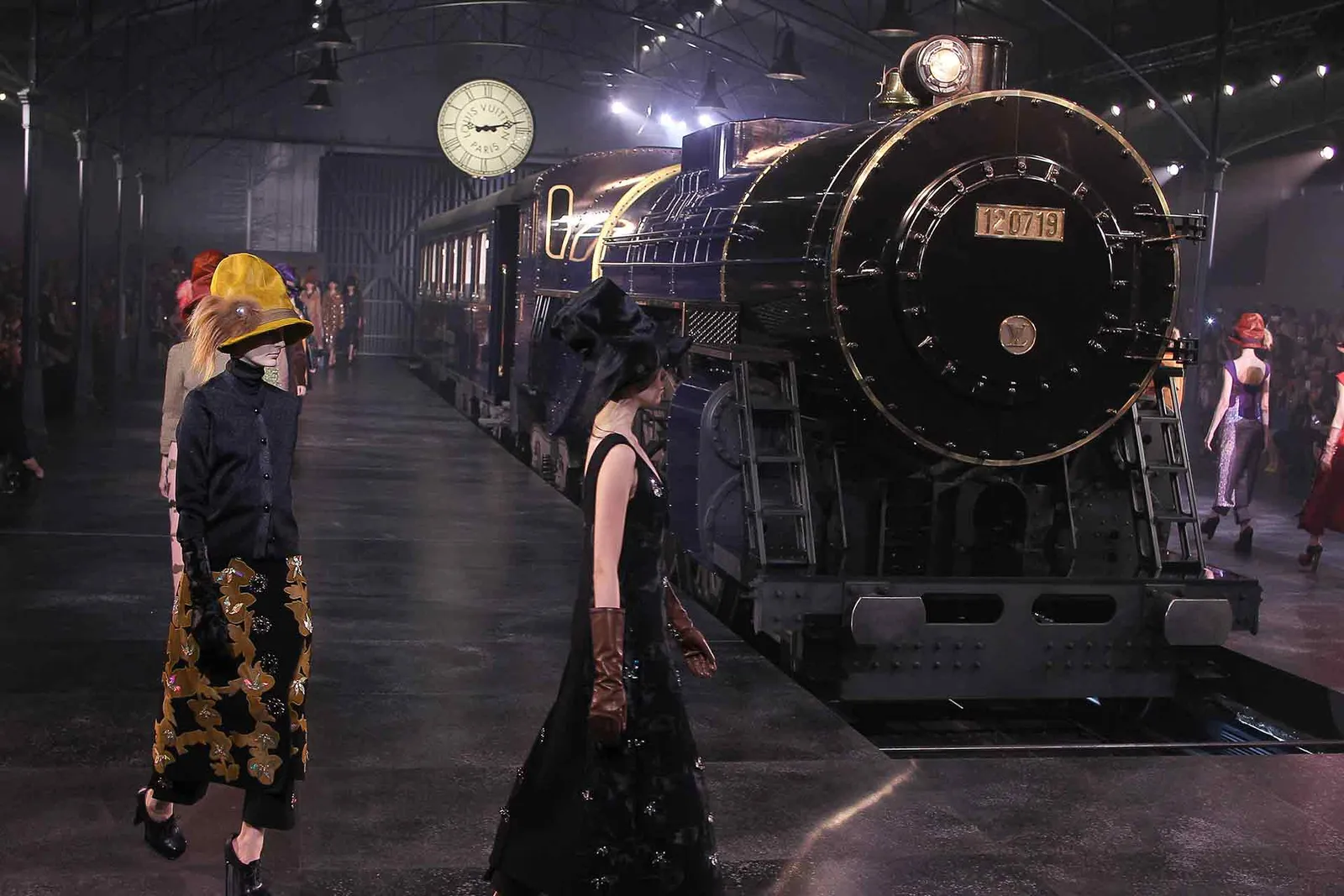
Today, Paris remains closely connected to the idea of luxury and high fashion. The official Paris Fashion Week calendar brings together major fashion houses and new designers, while the city's streets also become part of the fashion conversation.
More than a century after the early couture houses began shaping the industry, Paris Fashion Week continues to show how fashion can change with society. From handmade haute couture to modern ready-to-wear collections and digital shows, its history reflects the changing world of fashion.
That long history is what makes Paris Fashion Week more than a group of runway shows. It is a major part of fashion history and one of the places where new ideas about style continue to be created.