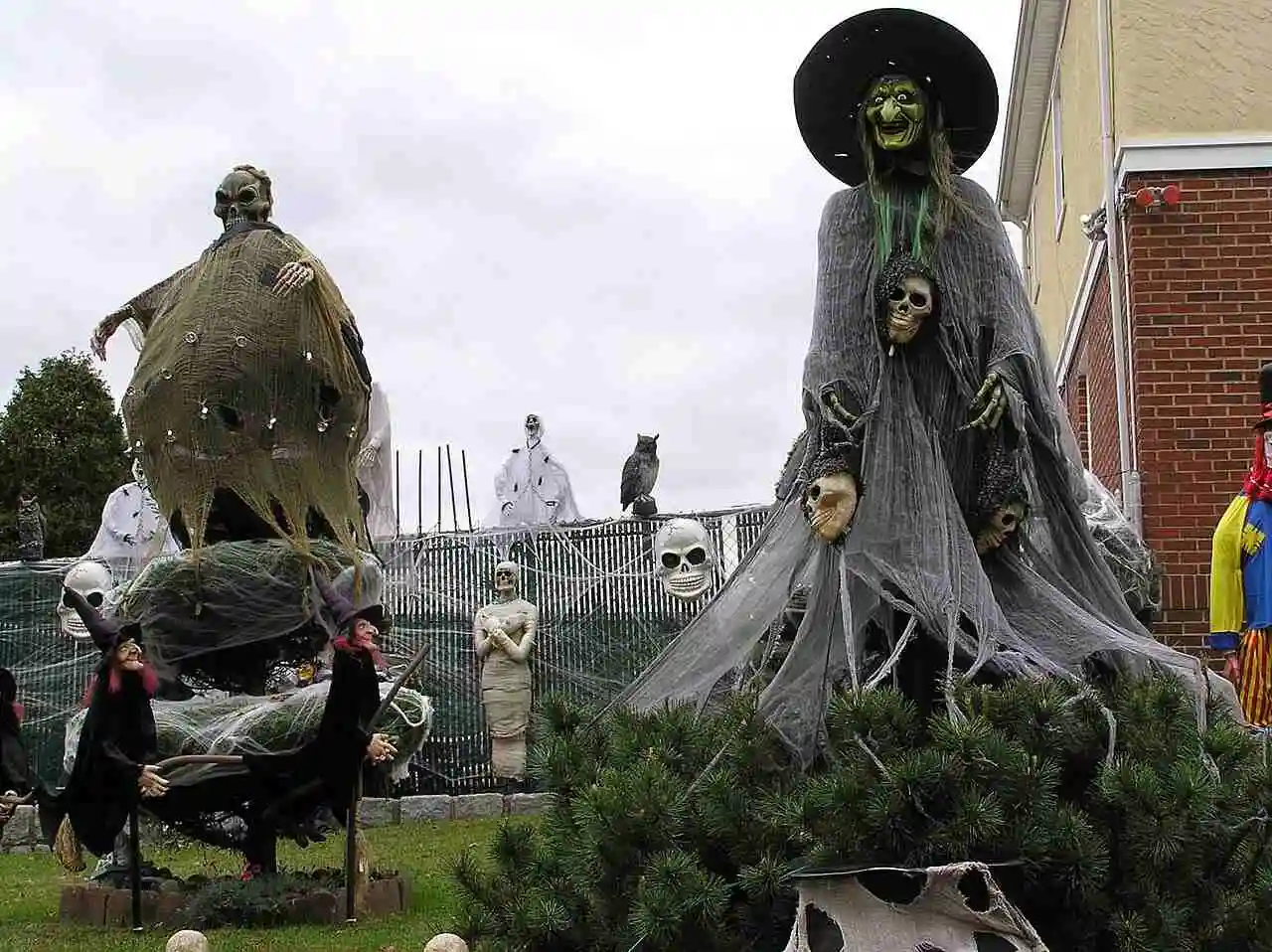
Every year on October 31, people around the world celebrate Halloween with costumes, carved pumpkins, scary decorations and trick-or-treating. But behind the modern celebration is a history that goes back more than 2,000 years, with roots in ancient Celtic traditions and Christian observances.
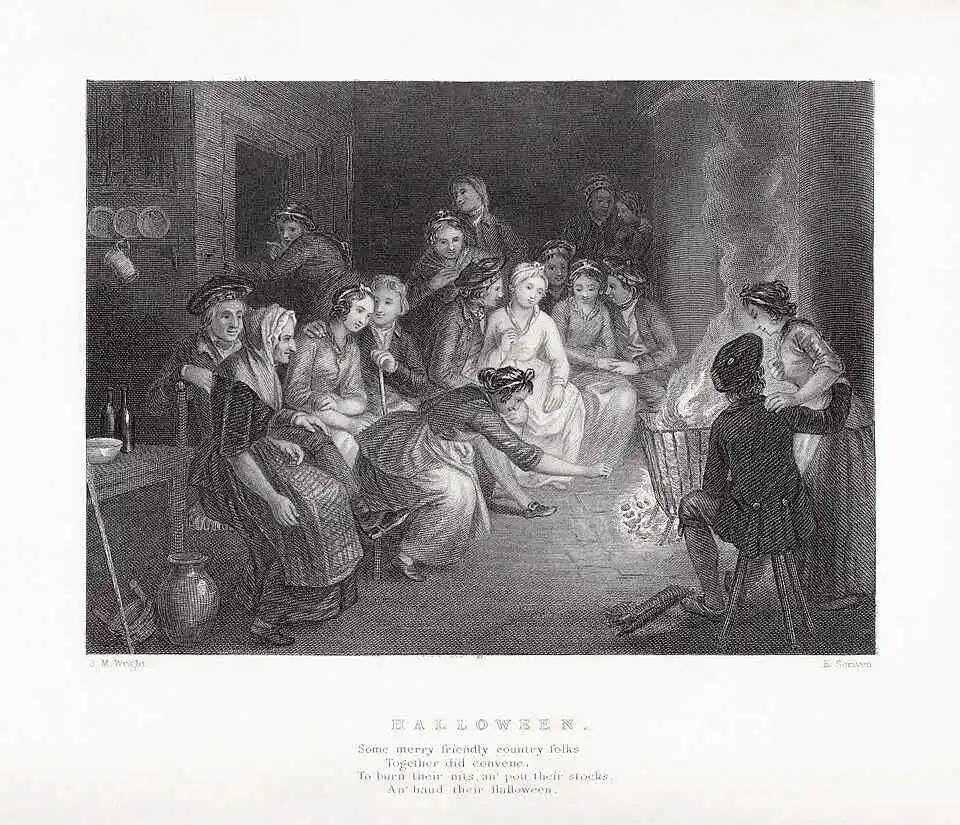
One of the festivals linked to Halloween is Samhain (pronounced sow-in), an ancient Gaelic festival celebrated in Ireland and other Celtic regions. It marked the end of the harvest season and the beginning of winter. The celebration usually began on the evening of October 31 and continued into November 1.
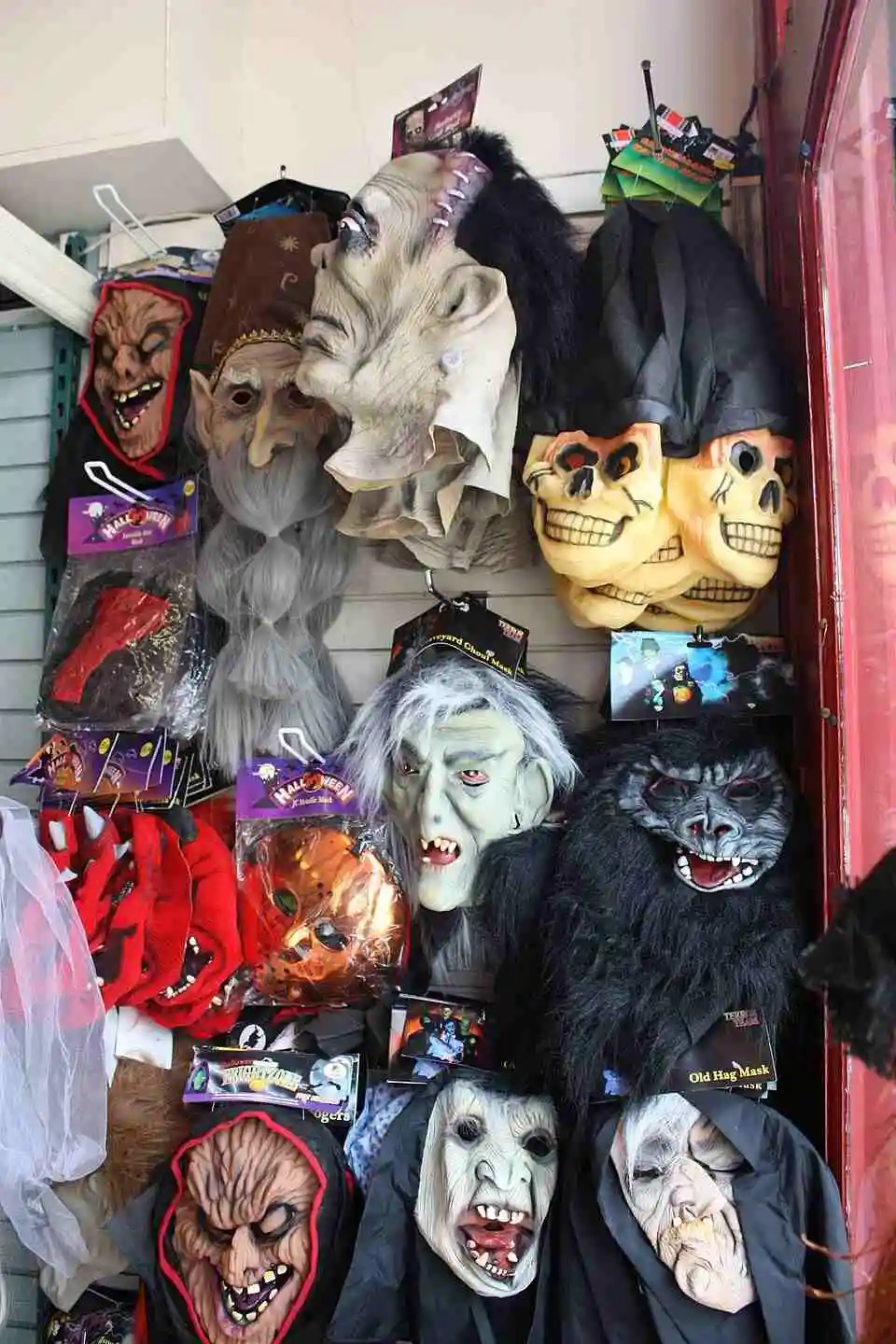
During Samhain, people believed that the boundary between the human world and the spirit world became weaker. They thought spirits and supernatural beings could move more freely between the two worlds. Bonfires were lit, food was shared and people took part in different seasonal customs. Some also wore disguises, which were believed to offer protection from unwanted spirits.
Halloween also has a strong connection to Christianity. November 1 became known as All Saints’ Day, a day for remembering Christian saints and martyrs. November 2 later became All Souls’ Day, when people prayed for the dead. The evening before All Saints’ Day became known as All Hallows’ Eve, a name that eventually shortened to Halloween.
Over the centuries, different traditions became part of the celebration. In Ireland and Scotland, people carved frightening faces into turnips and other vegetables, sometimes placing lights inside them. Irish immigrants later brought this custom to North America, where pumpkins became more popular because they were larger and easier to carve. This helped create the familiar jack-o’-lanterns seen today.
Costumes and trick-or-treating also developed through different customs. In parts of medieval Europe, poor people visited homes and received small cakes in exchange for prayers for the dead. This practice was known as “souling”. In Ireland and Scotland, another tradition called “guising” involved people dressing up and visiting homes to perform songs, poems or jokes in exchange for food.
Halloween became more widely celebrated in North America during the 19th century, especially as Irish and Scottish immigrants brought their customs with them. Over time, the celebration changed, with costume parties, candy and other activities becoming popular. Through American popular culture, Halloween later spread to many other parts of the world.
Today, Halloween is celebrated in different ways depending on the country and community. For some, it is a night of costumes, parties and horror films. For others, it remains connected to remembering the dead and older cultural traditions. Its history shows how celebrations can change over time while keeping parts of their past.