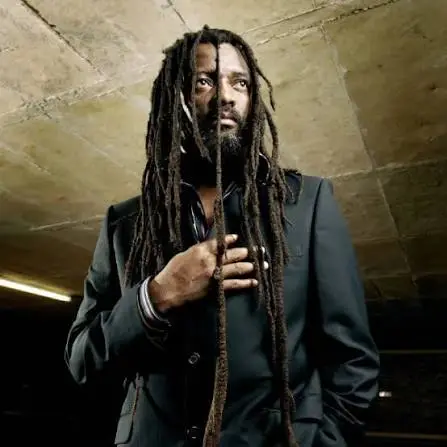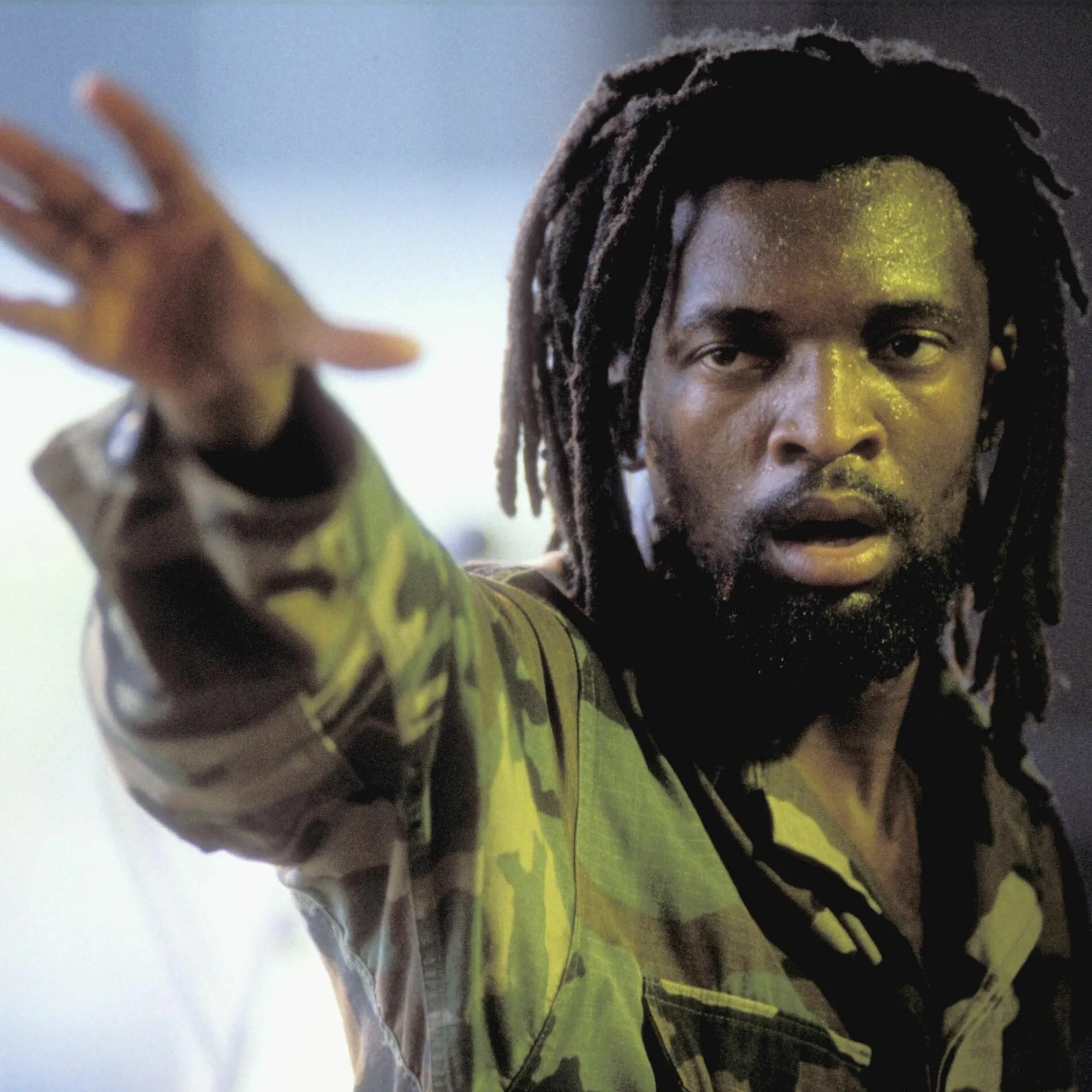
Nineteen years have passed since South African reggae legend Lucky Dube was killed, but his music continues to reach listeners across Africa and around the world. Dube was shot dead on October 18, 2007, at the age of 43 during a carjacking in Johannesburg. Almost two decades later, his songs remain an important part of African reggae history.
Born Lucky Philip Dube on August 3, 1964, near Ermelo in what is now South Africa’s Mpumalanga province, he grew up in a poor family. His mother named him Lucky because she considered his birth a blessing after several unsuccessful pregnancies. He spent much of his childhood in the care of his grandmother while his mother worked to support the family.
Dube did not begin his career as a reggae singer. In the early 1980s, he joined The Love Brothers, a group that performed mbaqanga, a popular South African music style influenced by Zulu musical traditions, jazz and other sounds. He recorded several albums in this style before deciding to follow his growing interest in reggae.
In 1985, Dube released Rastas Never Die, his first reggae project. The release struggled commercially and faced opposition from his record company. It was also banned under South Africa’s apartheid government, which restricted music viewed as politically threatening. Dube continued with reggae, and his next album, Think About the Children, helped establish him as a major star.
His music became known for more than its rhythm. Dube used songs to speak about inequality, freedom, poverty, family, social problems and the need for people to live together in peace. At a time when South Africa was divided by apartheid, his message reached listeners who connected with his calls for justice and unity.
Songs such as “Together as One,” “Prisoner,” “Slave” and “House of Exile” became important parts of his musical legacy. Through these songs, Dube spoke about the struggles faced by ordinary people and encouraged listeners to think about the society around them. His music also helped introduce South African experiences to reggae audiences in other parts of the world.
Dube’s success extended far beyond his home country. He toured internationally and built a large audience through his recordings and live performances. In 1996, he received the Best Selling African Recording Artist award at the World Music Awards, recognition of his international success. Over his career, he released more than 20 albums and became one of Africa’s most recognized reggae artists.
His life ended violently on October 18, 2007, in Rosettenville, Johannesburg. Reports said he had dropped two of his children at a relative’s home when armed carjackers targeted his vehicle. He was shot during the attack and died. The killing shocked fans and musicians around the world. Three men were convicted in connection with the murder and sentenced to life in prison.
Dube left behind his wife, seven children and a body of music that continues to introduce new generations to his voice and message. His story is also a reminder that African artists have helped shape global music, bringing their own histories, languages and experiences to audiences far beyond the continent.
Nineteen years after his death, Lucky Dube is remembered not only for the way his life ended, but also for what he gave to music. His songs about freedom, equality, love and unity continue to carry a message that listeners can understand across generations. For South Africans and reggae fans worldwide, his voice remains part of music history.